
The story of Burmington Barns
Nearly 2,000 years of history on our doorstep.
A landscape with a remarkable past — still visible in the village, the fields and the buildings around the barns.
A landscape with a remarkable past
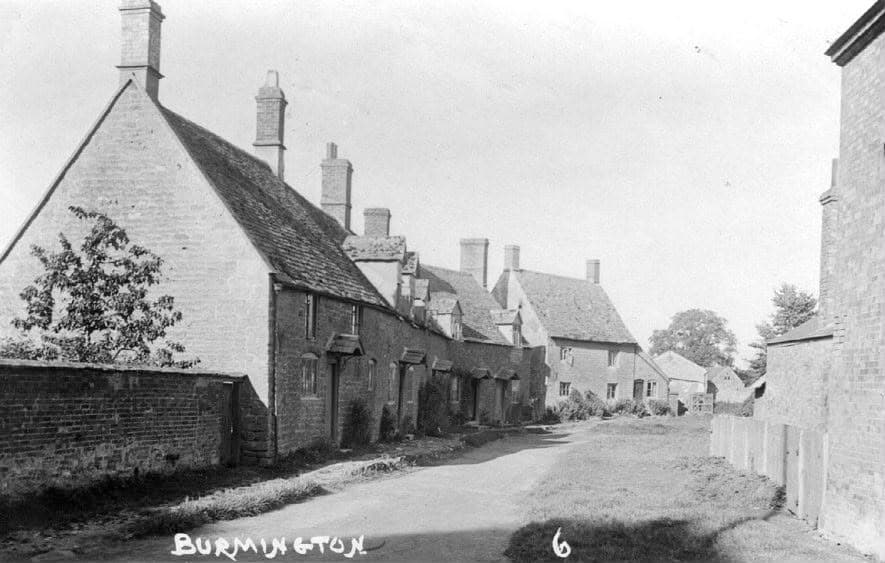
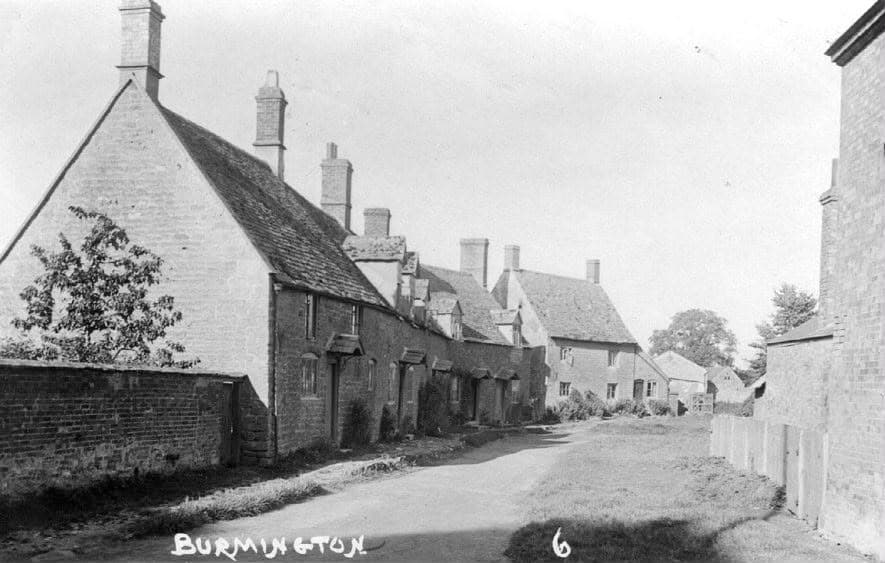
When you stay at Burmington Barns, you are not simply visiting the Warwickshire countryside – you are staying within a historic landscape with evidence of human activity stretching back through Roman times and a village recorded in the Domesday Book of 1086.
We are fortunate that much of this history is still visible today. The medieval ridge and furrow can still be seen in our orchard paddock, while archaeological finds from Burmington and the surrounding area tell stories of Roman, medieval and later life.
Roman Britain
Roman Burmington
Roman artefacts have been found in the Burmington area, demonstrating activity in the wider landscape during Roman Britain.
Our own connection with this period is especially exciting. A local metal detectorist has recovered Roman loom-related artefacts from the area around our property. These finds are currently displayed in the Roman section of Shipston Museum, helping to preserve and share the story of Roman activity in this part of Warwickshire.
Shipston Museum's collection includes local artefacts dating back to Roman times.
1086
Burmington in the Domesday Book
Burmington is recorded in the Domesday Book of 1086, the great survey and valuation of landed property commissioned by William the Conqueror. The village appears in Barcheston Hundred and is recorded as having 5 hides, land for 8 ploughs, 12 villagers, 8 smallholders, 6 plough teams, a mill and 12 acres of meadow. Its recorded value was 60 shillings before the survey and 100 shillings at the time of Domesday.
Domesday recorded landholdings and resources rather than individual houses. So while our individual home was not itself listed as a house in Domesday, 6 The Lane stands within the ancient settlement of Burmington that was documented in 1086.
A medieval landscape you can still see
One of the most special things about staying at Burmington Barns is that the medieval landscape has not entirely disappeared.
From the guest paddock, guests can look across to our orchard paddock where the gentle ridges and furrows of historic cultivation are still visible. These are the surviving earthworks of ridge-and-furrow cultivation.
The Warwickshire Historic Environment Record identifies ridge and furrow surviving around Burmington, with some areas surviving as visible earthworks. The pattern was created by generations of ploughing, particularly under the medieval open-field farming system.
What looks like a gentle undulation in a field can therefore be part of a farming landscape created hundreds of years ago.
A village larger than the one we see today
Archaeological evidence suggests that medieval Burmington was more extensive than the quiet village we see today. Historic maps show relatively few houses alongside empty plots, small fields and former orchard areas, while surviving earthworks help define the probable extent of the medieval settlement.
The Historic Environment Record notes that ridge and furrow survives around the village and that extensive earthworks of previous settlement can be seen in the southern part of Burmington.
The history of 6 The Lane
Our home at 6 The Lane forms another part of Burmington's story. The property is a historic farmhouse, and the property also has a recorded early cob outbuilding.
The Warwickshire Historic Environment Record describes the cob outbuilding as an early cob building of uncertain date. It records several phases of construction and reconstruction, including cob on low limestone walls, later limestone rebuilding, yellow-brick rebuilding and 20th-century brick repairs.
The record is careful about the building's date, so we do not claim that the cob structure is medieval. What is certain is that it is part of the property's historic agricultural fabric and has been altered and repaired through several generations.
A living archaeological landscape
The wonderful thing about Burmington's history is that it is not confined to a museum.
The ridge and furrow can still be seen in our fields. Roman finds have been recovered locally. Burmington appears in the Domesday Book. The medieval settlement has left earthworks and field patterns, and historic buildings survive within the village.
When you sit in the guest paddock and look across the orchard, you are looking at a landscape shaped by generations of people who lived and worked here long before the modern village existed.
Exploring Burmington
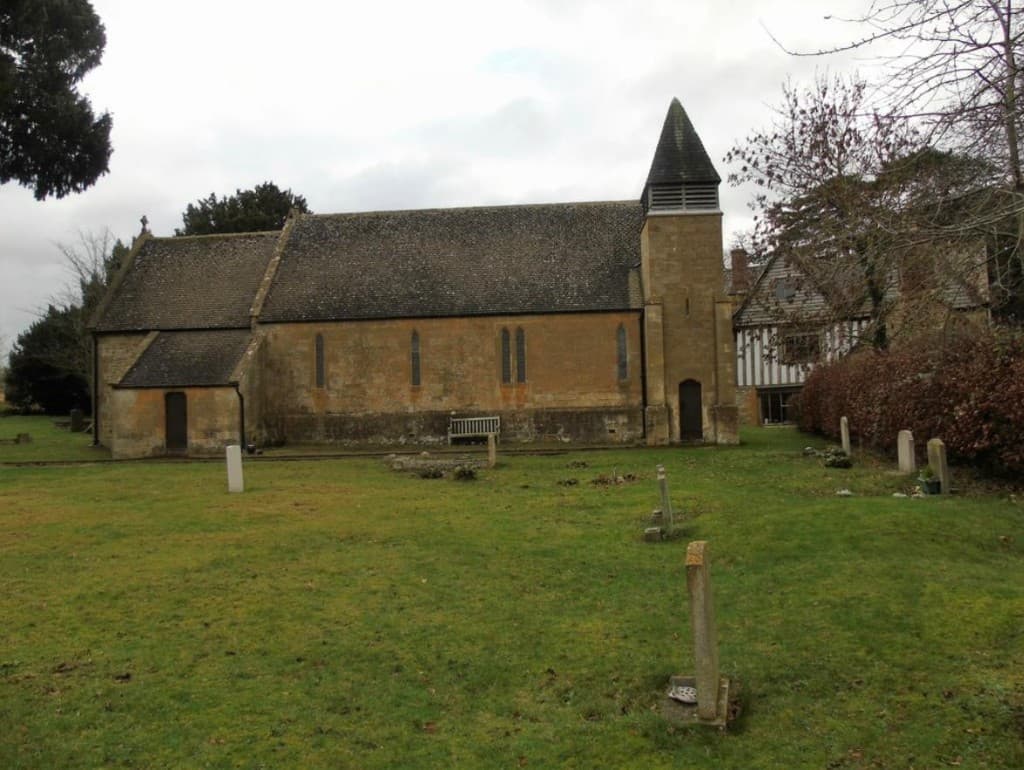
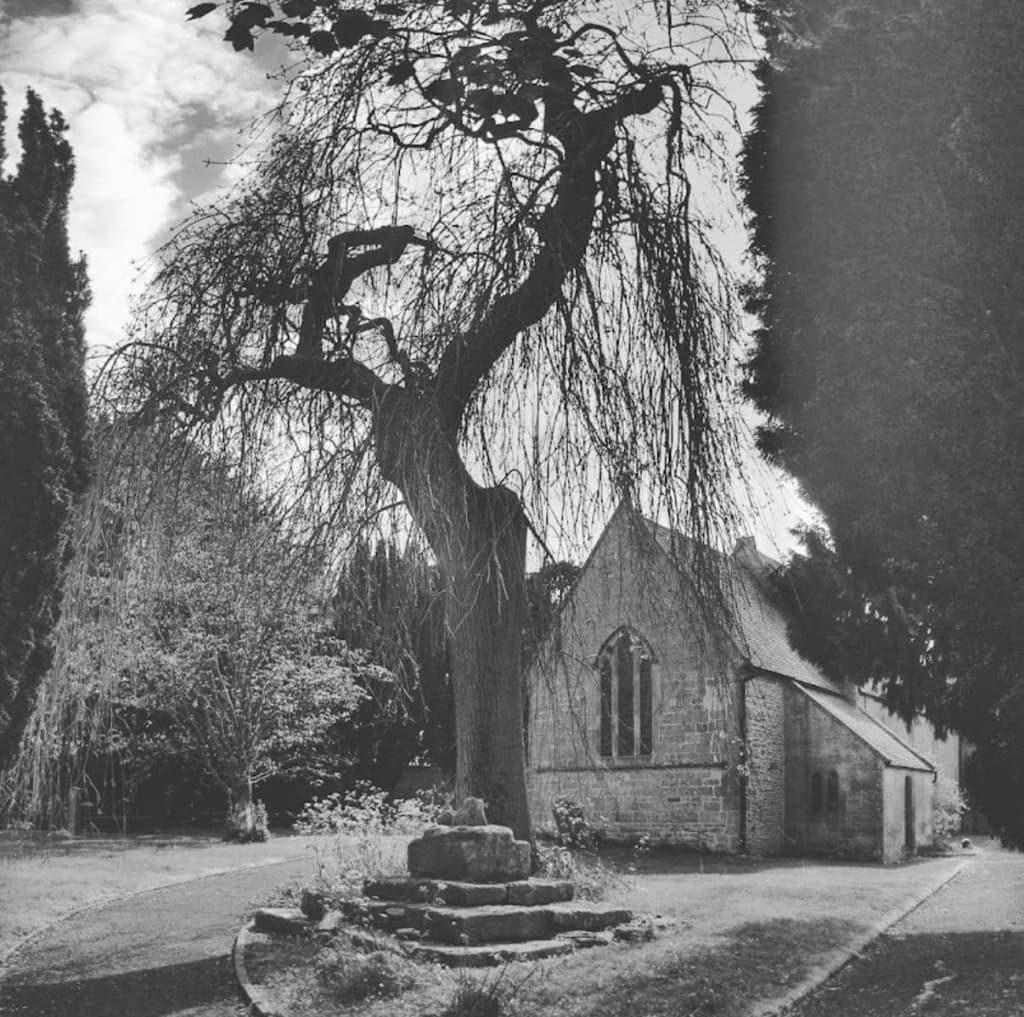
During your stay, take a walk around the village and look for the clues to its past. Burmington's church has medieval origins, and Burmington Manor has early medieval origins. The wider parish contains surviving archaeological features and historic field patterns.
We hope that knowing a little of the story will make the countryside around the barns even more fascinating.
A note about our archaeological finds
We are very proud that artefacts found locally have contributed to the understanding and preservation of Burmington's history. Where an object is part of a museum collection, we prefer to describe it according to the museum's own catalogue information rather than make assumptions about its date or function.
If you visit Shipston Museum, you can explore its collection of local material, including artefacts dating back to Roman times.
Sources & further reading
- Warwickshire Historic Environment Record – Burmington Medieval Settlement
- Warwickshire Historic Environment Record – Ridge and Furrow Cultivation in Burmington Parish
- Warwickshire Historic Environment Record – Cob outbuilding to 6 The Lane
- Warwickshire County Council – Historic Environment Record
- Open Domesday – Burmington
- The National Archives – Domesday Book research guide
- Shipston Museum
The historical statements on this page have been phrased conservatively where the available records do not establish an exact date or direct connection to the individual house.